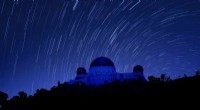
* Earth's Rotation: Our planet rotates, causing the stars to appear to move across the sky. Over a 24-hour period, only half the sky is visible at any given location.
* Earth's Orbit: As the Earth orbits the Sun, our perspective of the night sky changes. Stars that are visible in the winter, for example, might be obscured by the Sun's light in the summer.
* The Milky Way: Our solar system sits within the Milky Way galaxy. We can't see the stars on the other side of the galaxy because they are obscured by dust and gas.
However, there are locations that offer a better view of the night sky than others:
* Locations far from city lights: Light pollution from cities washes out the fainter stars. The darker the sky, the more stars you can see.
* High altitudes: At higher altitudes, the atmosphere is thinner, leading to clearer skies.
* Locations with clear skies: Areas with fewer cloudy nights will give you the best opportunity to observe the stars.
In summary: You can see a lot of stars from different locations throughout the year, but there is no single spot on Earth where you can see absolutely everything.