1. Hydrogen (H): This is the most abundant element in stars, accounting for about 70% of their mass. Hydrogen fusion is the primary energy source for stars, where hydrogen nuclei combine to form helium, releasing vast amounts of energy.
2. Helium (He): Helium is the second most abundant element in stars, making up about 28% of their mass. It is produced by the fusion of hydrogen and acts as a "fuel" for some later stages of stellar evolution.
3. Trace Elements: While hydrogen and helium dominate, stars also contain small amounts of other elements, collectively referred to as "metals" in astronomy. These include:
* Oxygen (O)
* Carbon (C)
* Neon (Ne)
* Iron (Fe)
* Nitrogen (N)
* Silicon (Si)
* Magnesium (Mg)
The specific proportions of these trace elements vary depending on the star's age, mass, and evolution stage.
How stars are formed:
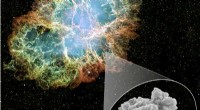
Stars are born from giant clouds of gas and dust known as nebulae. These nebulae are primarily composed of hydrogen and helium, with smaller amounts of other elements. Over time, gravity causes these clouds to collapse, and the material at the center becomes increasingly dense and hot. When the core reaches a critical temperature and pressure, nuclear fusion ignites, releasing tremendous energy and marking the birth of a star.
Evolution and the role of heavier elements:
As stars age, they continue to fuse lighter elements into heavier ones. This process leads to the production of heavier elements like carbon, nitrogen, oxygen, and even iron. These elements are eventually ejected into space through stellar winds and supernova explosions, enriching the interstellar medium with the building blocks for future generations of stars and planets.