Seeing the Milky Way is a truly breathtaking experience. Here's a guide to help you maximize your chances:
1. Find a Dark Location:
* Light pollution is the enemy of stargazing. The Milky Way is a faint, diffuse band of light that gets easily washed out by artificial light.
* Get away from city lights. Head to a remote location like a national park, a dark sky preserve, or even just a rural area with minimal streetlights.
* Use a light pollution map: Websites like DarkSiteFinder.com and LightPollutionMap.info can help you locate the darkest areas near you.
2. Choose the Right Time:
* The Milky Way is visible for most of the year, but its appearance changes with the seasons. In the Northern Hemisphere, the best time to see the Milky Way is during summer nights, when it stretches across the sky from southeast to northwest.
* Check a stargazing calendar: Websites like Stellarium or SkySafari can show you where the Milky Way will be in the sky at any given time.
3. Adjust to the Darkness:
* Give your eyes time to adjust. It can take 20-30 minutes for your eyes to fully adapt to the darkness. Avoid looking at bright lights during this time.
* Use a red flashlight: Red light doesn't affect your night vision as much as white light. You can find red flashlights specifically designed for astronomy.
4. Look Up!
* Find the darkest part of the sky. This is usually away from the moon and any other bright lights.
* The Milky Way will look like a faint, hazy band of light. It may be difficult to see at first, but as your eyes adjust, you should start to see its structure.
5. Enhance Your Experience:
* Use binoculars or a telescope. While you can see the Milky Way with the naked eye, binoculars or a telescope will enhance the view and reveal more detail.
* Learn the constellations: Identifying the constellations near the Milky Way can help you appreciate its position and understand its place in the sky.
* Take your time and enjoy the view! The Milky Way is a truly awe-inspiring sight.
Additional Tips:
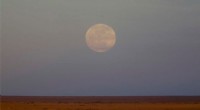
* Check the moon phase. A full moon will drown out the faint light of the Milky Way. Try to observe during a new moon or when the moon is low in the sky.
* Consider visiting a star party. Star parties are gatherings of amateur astronomers who share their telescopes and knowledge. It's a great way to learn more about the Milky Way and see it through different instruments.
Remember, seeing the Milky Way requires patience and a commitment to finding a dark location. But the reward is truly worth it!