What happens to sunlight in the atmosphere:
* Reflection: A portion of sunlight is indeed reflected back into space by clouds, dust, and atmospheric gases. This is called albedo, the reflectivity of a surface.
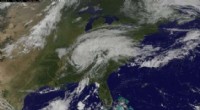
* Clouds are particularly good at reflecting sunlight, which is why cloudy days feel cooler.
* Dust and aerosols (tiny particles) also contribute, but their effect is smaller.
* Absorption: The atmosphere absorbs a significant portion of sunlight, primarily by gases like:
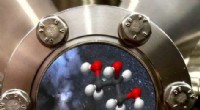
* Ozone (O3): Absorbs most of the harmful ultraviolet (UV) radiation.
* Water vapor (H2O): Absorbs infrared radiation, contributing to the greenhouse effect.
* Carbon dioxide (CO2), Methane (CH4), Nitrous oxide (N2O): Also contribute to the greenhouse effect by absorbing infrared radiation.
* Transmission: The remaining sunlight that is not reflected or absorbed passes through the atmosphere and reaches the Earth's surface. This is what we experience as sunshine.
The Bottom Line:
* While some sunlight is reflected by clouds, dust, and gases, absorption plays a much bigger role.
* The atmosphere acts like a filter, allowing some wavelengths to pass through while absorbing others. This process is crucial for life on Earth, regulating temperatures and protecting us from harmful radiation.
Important Note: The amount of sunlight reflected, absorbed, and transmitted depends on factors like the angle of the sun, the type of clouds, and the concentration of gases in the atmosphere.