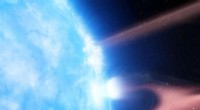
* Sunlight scattering: During the day, sunlight scatters off particles in the Earth's atmosphere, creating a bright blue sky. This scattered light reaches all corners of the Earth, even places where the sun isn't directly overhead. However, at night, the Earth is facing away from the sun. While some light still scatters from the sun's rays reflecting off the moon and planets, it's significantly less than during the day. This is why the sky appears dark at night.
* Airglow: Even in the absence of direct sunlight, the atmosphere still emits a faint glow called airglow. This light is produced by chemical reactions and excited particles high in the atmosphere. However, it's very faint and often overshadowed by artificial light pollution in urban areas.
* Light pollution: The most significant factor affecting the darkness of the night sky is light pollution from artificial sources like streetlights, buildings, and cars. This excessive light washes out the faint airglow and makes it challenging to see stars and other celestial objects.
So, the sun affects the darkness of the night sky by:
* Limiting scattered light: When the sun sets, the scattering of sunlight significantly decreases, allowing us to see the darkness of the night sky.
* Contributing to airglow: Even when the sun is not directly shining on Earth, it contributes to the faint airglow that occurs in the upper atmosphere.
* Indirect influence on light pollution: The need for artificial light at night is often driven by our desire to extend daylight hours, which are ultimately determined by the sun's position.
Therefore, while the sun directly influences the darkness of the night sky by limiting scattered sunlight and contributing to airglow, its indirect influence on light pollution also plays a role in how dark the night sky appears.