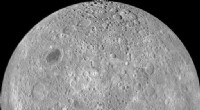
* The Moon's Orbit: The moon orbits the Earth, and it doesn't always appear in the same part of the sky. Sometimes, it's on the opposite side of the Earth from the sun, making it visible during the day. Other times, it's closer to the sun in the sky, making it harder to see.
* The Stars' Location: The stars are very far away and appear fixed in the sky. They are always there, but their visibility depends on factors like light pollution, cloud cover, and the time of night.
* Perspective: We see the moon and stars in different parts of the sky depending on our location on Earth and the time of year. This can make it seem like a star is always with the moon, when it's actually just a coincidence of their positions in the sky at that moment.
Here are some examples:
* During the day: You can see the moon sometimes during the day, but you won't see stars because the sun's light is too bright.
* At night: If the moon is full, it's very bright, and you might not see many stars near it because its light is overwhelming.
* New Moon: During a new moon phase, the moon is very close to the sun in the sky and not visible. You might see stars near where the moon would be, but not the moon itself.
So, while there might be times when you see a star close to the moon, it's not always the case. It's simply a matter of timing and perspective!