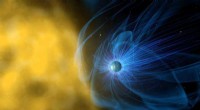
1. Energy and Heat: The Sun is our primary source of energy, providing the heat and light necessary for life to exist. This energy fuels our planet's climate, weather patterns, and ecosystems.
2. Photosynthesis: Plants use sunlight to convert carbon dioxide and water into sugars and oxygen through photosynthesis. This process forms the basis of the food chain and provides the oxygen we breathe.
3. Water Cycle: Solar energy drives the water cycle. It evaporates water from oceans, lakes, and rivers, which then condenses into clouds and falls back to Earth as precipitation.
4. Weather and Climate: The Sun's uneven heating of the Earth creates different temperature zones and drives atmospheric circulation, leading to weather patterns and global climate.
5. Ocean Currents: Solar energy powers the ocean currents, which distribute heat around the globe, influencing weather patterns and marine ecosystems.
6. Day and Night: The Earth's rotation and its orbit around the Sun create the cycles of day and night, which influence plant growth, animal behavior, and human activity.
7. Seasons: The Earth's tilt on its axis and its orbit around the Sun create the different seasons, impacting plant growth, animal migration, and human agriculture.
8. Vitamin D Production: Sunlight is essential for our bodies to produce vitamin D, which is crucial for bone health, immune function, and other vital processes.
9. Light for Vision: Sunlight provides the light we need to see, allowing us to navigate our environment, interact with the world, and enjoy the beauty of nature.
10. Tidal Forces: The Sun's gravitational pull contributes to the tides, influencing coastal ecosystems and human activities like fishing and navigation.