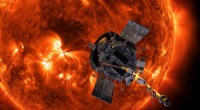
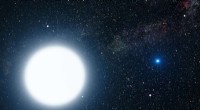
1. The Source: The vast majority of light that reaches Earth comes from the Sun. The Sun is a giant ball of hot gas that constantly releases energy in the form of light and heat.
2. Nuclear Fusion: This energy is generated deep within the Sun's core through nuclear fusion reactions. These reactions combine hydrogen atoms to form helium, releasing enormous amounts of energy.
3. Electromagnetic Radiation: The energy released during nuclear fusion is emitted as electromagnetic radiation. This radiation includes light, but also other forms like infrared radiation, ultraviolet radiation, and X-rays.
4. Traveling Through Space: This radiation travels through the vacuum of space at the speed of light (approximately 186,282 miles per second or 299,792 kilometers per second).
5. Reaching Earth: After traveling for about 8 minutes and 20 seconds, this radiation from the Sun finally reaches Earth.
6. Interaction with the Atmosphere: The Earth's atmosphere absorbs some of this radiation, particularly the harmful ultraviolet rays. However, a significant portion of visible light and infrared radiation passes through and reaches the surface.
So, in summary, light arrives on Earth as electromagnetic radiation emitted from the Sun's nuclear fusion reactions, traveling through space at the speed of light, and interacting with Earth's atmosphere.