Here's a breakdown:
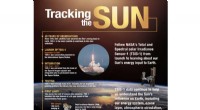
* Stars: Stellar atmospheres are vast and complex, primarily composed of hydrogen and helium, but also containing trace amounts of other elements like carbon, oxygen, and nitrogen. These elements are constantly being processed and ejected from the star's core through nuclear fusion. The atmosphere of a star is where we observe the star's light and spectrum, revealing its composition, temperature, and other characteristics.
* Planets: Planetary atmospheres can vary dramatically in composition, density, and temperature depending on the planet's size, distance from the star, and geological activity.
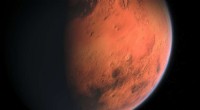
* Terrestrial planets like Earth, Mars, and Venus have relatively thin atmospheres primarily composed of nitrogen, oxygen, carbon dioxide, and other trace gases.
* Gas giants like Jupiter, Saturn, Uranus, and Neptune have thick, massive atmospheres predominantly made of hydrogen and helium, along with other gases like methane and ammonia.
Key points to remember:
* Composition: The specific gases present in an atmosphere vary greatly between celestial bodies.
* Density: The density of an atmosphere depends on its gravity and the amount of gas present.
* Temperature: The temperature of an atmosphere is influenced by the star's radiation and internal heat sources.
* Evolution: Atmospheres can evolve over time due to factors like volcanic activity, meteoroid impacts, and the star's lifespan.
Understanding an object's atmosphere is crucial for scientists to study the object's history, composition, and potential for harboring life.