1. Gravity: A planet's gravity is strong enough to hold onto gas molecules. The stronger the gravity, the more atmosphere a planet can retain.
2. Formation and Early History: During the formation of a solar system, planets are formed from a disk of gas and dust. Some of this material gets trapped by the planet's gravity and forms the atmosphere.
3. Volcanic Activity: Volcanic eruptions release gases into the atmosphere, contributing to its composition and density. This is particularly significant for early planets.
4. Outgassing from Rocks: Even after formation, planets continue to release gases from their interior, adding to the atmosphere over time.
5. Chemical Reactions: Some atmospheric gases can be produced through chemical reactions in the atmosphere itself. This process is known as photochemical reactions, which are driven by sunlight.
6. Comets and Asteroids: Collisions with comets and asteroids can inject gases into the atmosphere, especially in the early stages of a planet's development.
7. Magnetic Field: A planet's magnetic field can protect its atmosphere from the solar wind, which is a stream of charged particles from the Sun.
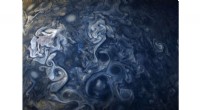
8. Distance from the Sun: Planets further from the Sun are colder, which can slow down the escape of atmospheric gases. This is why gas giants like Jupiter and Saturn have thick atmospheres.
9. Planet Size: Larger planets have more gravity, making it harder for atmospheric gases to escape.
10. Composition: The composition of a planet's atmosphere depends on the elements present during its formation and the processes that have occurred since then.
It's important to note that not all planets have significant atmospheres. Smaller, less massive planets with weaker gravity can lose their atmospheres to space over time. Additionally, planets close to the Sun can experience atmospheric loss due to the intense solar radiation and solar wind.