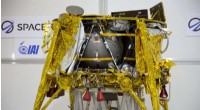
1. Mars:
* Missions: Numerous, including the rovers Curiosity, Perseverance, and the orbiters like Mars Reconnaissance Orbiter.
* What Scientists Hope to Learn:
* Past Habitability: Was Mars once capable of supporting life? Missions seek evidence of past water, organic molecules, and other potential signs of life.
* Present Climate and Geology: Understanding Martian weather, geology, and the possibility of resources like water ice.
* Preparing for Human Exploration: Gathering data crucial for planning future human missions to Mars.
2. Venus:
* Missions: Notable missions include Magellan (which mapped Venus's surface with radar), and Venus Express (which studied the atmosphere).
* What Scientists Hope to Learn:
* Understanding a Runaway Greenhouse Effect: Venus's extreme surface temperatures are thought to be a result of an uncontrollable greenhouse effect. Studying Venus can help us understand the processes that might lead to such extreme conditions.
* Geological History and Processes: Venus's surface is incredibly young and volcanic, suggesting recent geological activity. Missions help unravel its geological history.
* Possible Life in the Atmosphere: Some scientists believe Venus's upper atmosphere might be habitable. Missions study the atmospheric composition and potential for life.
These are just two examples, and many more planets and celestial bodies are targets of space exploration. Each mission aims to answer fundamental questions about the universe, our place within it, and the potential for life elsewhere.