Jovian (Gas Giants):
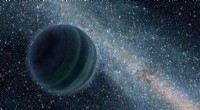
* Composition: Primarily composed of hydrogen and helium, with smaller amounts of heavier elements like methane, ammonia, and water.
* Size: Massive, with diameters much larger than Earth's.
* Density: Relatively low due to their gaseous composition.
* Structure: No solid surface, but instead have a deep atmosphere that gradually transitions into a liquid core.
* Atmosphere: Thick, swirling atmospheres with complex weather patterns.
* Moons: Numerous, some larger than Earth's moon.
* Rings: Typically possess rings composed of dust, ice, and rock.
* Examples: Jupiter, Saturn, Uranus, Neptune
Terrestrial (Rocky):
* Composition: Primarily composed of rock and metal, with a solid, rocky surface.
* Size: Smaller than Jovian planets, with diameters comparable to Earth's.
* Density: Higher than Jovian planets due to their rocky composition.
* Structure: Have a distinct crust, mantle, and core.
* Atmosphere: Thin atmospheres, often composed of nitrogen, oxygen, and carbon dioxide.
* Moons: Typically have a few moons, if any.
* Rings: Do not have prominent ring systems.
* Examples: Mercury, Venus, Earth, Mars
Here is a table summarizing the key differences:
| Feature | Jovian Planets | Terrestrial Planets |
|--------------|------------------------|--------------------------|
| Composition | Gaseous (H, He) | Rocky (Rock, Metal) |
| Size | Massive | Smaller |
| Density | Low | High |
| Structure | No solid surface | Solid surface (crust, mantle, core) |
| Atmosphere | Thick, swirling | Thin, less complex |
| Moons | Numerous | Few |
| Rings | Common | Absent |
Formation: Jovian planets formed farther from the Sun where temperatures were colder, allowing them to capture large amounts of hydrogen and helium. Terrestrial planets formed closer to the Sun where these volatile gases were less abundant.
Key Differences:
* Composition and Structure: The most significant difference lies in their composition and structure. Jovian planets are primarily gas and liquid, while terrestrial planets have a solid surface.
* Atmosphere: Jovian planets have thick atmospheres that generate strong winds and weather patterns, while terrestrial planets have thinner atmospheres.
* Moons: Jovian planets have a large number of moons, often with unique features and environments. Terrestrial planets have fewer moons, usually smaller and less complex.
* Rings: Most Jovian planets have prominent ring systems composed of ice and dust, while terrestrial planets do not.
In Summary: Jovian and terrestrial planets differ greatly in their composition, size, structure, atmosphere, moons, and rings. These differences are primarily due to their formation in different regions of the solar system.