Stars
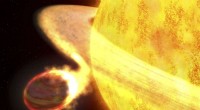
* Nature: Giant balls of hot gas, primarily hydrogen and helium, undergoing nuclear fusion.
* Light Source: They produce their own light and heat through nuclear reactions.
* Distance: Extremely far away, light-years from Earth.
* Movement: Appear to move across the sky due to Earth's rotation, but they are actually incredibly distant and their relative positions change very slowly over millennia.
* Size and Shape: Vastly different sizes and shapes, ranging from tiny red dwarfs to supergiant stars.
* Lifespan: Have lifespans of billions of years, depending on their size and mass.
Satellites
* Nature: Man-made objects orbiting a celestial body.
* Light Source: Do not produce their own light, they reflect sunlight.
* Distance: Orbiting Earth at relatively close distances, ranging from low Earth orbit to geostationary orbit.
* Movement: Appear to move across the sky relatively quickly due to their proximity to Earth and orbital speed.
* Size and Shape: Wide variety of sizes and shapes, depending on their function.
* Lifespan: Limited lifespan, depending on their purpose and fuel supply, typically ranging from a few years to decades.
In Summary:
* Stars are natural celestial objects that produce their own light, while satellites are man-made objects that reflect sunlight.
* Stars are incredibly distant, while satellites orbit relatively close to Earth.
* Stars appear to move slowly across the sky, while satellites move relatively quickly.
Let me know if you have any other questions!