1. The planet's position:
* Opposition: When a planet is in opposition, it's directly opposite the Sun in the sky. This is when it's brightest and easiest to see.
* Conjunction: When a planet is in conjunction, it's close to the Sun in the sky, making it difficult to see.
* Visibility: Planets are visible for different periods throughout the year, depending on their position in their orbit.
2. Light pollution:
* In heavily light-polluted areas, it's harder to see faint objects like planets.
* Finding a dark location away from city lights can dramatically improve your chances of seeing planets.
3. Time of day:
* Most planets are visible at night, but some, like Venus, are bright enough to be seen during the day.
4. The planet's brightness:
* Venus, Jupiter, and Mars are the easiest planets to see with the naked eye.
* Mercury and Saturn are fainter and require darker skies and a bit more effort to spot.
5. Using tools:
* Binoculars or a telescope can significantly enhance your ability to see planets and their details.
Here's a general guide:
* Venus: Often the brightest object in the sky after the Sun and Moon, visible in both the morning and evening.
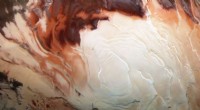
* Mars: Visible for months at a time, appearing reddish in color.
* Jupiter: A bright, white "star" visible for much of the year.
* Saturn: A slightly fainter yellowish star with rings, visible for many months.
* Mercury: A quick-moving, faint object that can be challenging to spot.
To find out when planets are visible in your area, you can use online resources like:
* Stellarium: A free planetarium software that shows you the night sky for any location and time.
* SkySafari: A mobile app that lets you explore the universe and find planets.
* NASA's website: Provides information about planet visibility and observing opportunities.
Remember to check the weather forecast before heading out to observe planets, as cloudy skies will hinder your view!