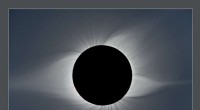
1. Lunar Phases: The moon doesn't produce its own light; it reflects sunlight. As the moon orbits the Earth, the angle at which sunlight hits its surface changes, causing us to see different amounts of illuminated surface, resulting in the lunar phases:
* New Moon: The moon is between the sun and Earth, so we can't see it because the sunlit side faces away from us.
* Waxing Crescent: A sliver of the moon becomes visible as it moves away from the sun.
* First Quarter: We see half of the illuminated moon.
* Waxing Gibbous: More than half of the moon is illuminated.
* Full Moon: The sun is directly opposite the moon, so we see the entire illuminated surface.
* Waning Gibbous: The illuminated portion begins to shrink.
* Last Quarter: We see half of the illuminated moon again, but on the opposite side from the First Quarter.
* Waning Crescent: The illuminated sliver gets smaller until the moon disappears again.
2. Moon's Orbit: The moon's orbit around the Earth is not perfectly circular, it's slightly elliptical. This means the distance between the Earth and moon varies, which affects the moon's brightness and visibility.
3. Atmospheric Conditions: Clouds, haze, and pollution can obscure the moon's visibility, even when it's in a phase where we should be able to see it.
4. Time of Day: While the moon can be visible during the day, it's often overshadowed by the sun's brightness.
In short: We don't see the moon every night because of the changing phases it goes through as it orbits the Earth, and because of factors like the moon's orbital position, atmospheric conditions, and the time of day.