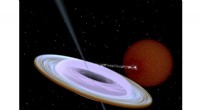
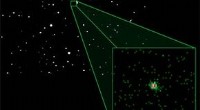
* The Star: The central, massive, and luminous object that provides light and heat. It's usually a ball of hot, glowing gas (mostly hydrogen and helium).
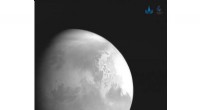
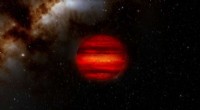
* Planets: Large, spherical bodies that orbit the star. They don't produce their own light, but reflect the star's light.
* Moons: Smaller bodies that orbit planets. They also reflect the star's light.
* Asteroids: Rocky bodies, much smaller than planets, found mostly in the asteroid belt between Mars and Jupiter.
* Comets: Icy bodies that orbit the star in highly elliptical paths. They can become visible when they get close to the sun and develop a tail.
* Other Objects: This includes things like dwarf planets, meteoroids, dust, and gas.
So, a star system is like a miniature solar system, centered around a star and containing all the celestial bodies that are gravitationally bound to it.