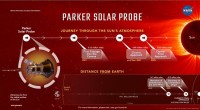
* Proximity: The Sun is our closest star, a mere 93 million miles away. This close proximity makes it appear much brighter than other stars, which are located light-years away.
* Brightness vs. Luminosity: While brightness refers to how much light we *see* from a star, luminosity refers to the total amount of light a star *emits*. The Sun is actually a fairly average star in terms of luminosity. Many stars are far more luminous than our Sun, but they are so far away that their brightness appears faint to us.
Think of it this way: Imagine a lightbulb in your living room. It might seem incredibly bright, but if you were to stand several miles away, it would appear as a tiny, faint speck of light. The same principle applies to stars.
So, why do some stars appear brighter than others?
* Distance: The closer a star is, the brighter it appears.
* Luminosity: Stars that are more luminous (emit more light) appear brighter, even if they are farther away.
* Size: Larger stars tend to be more luminous.
* Temperature: Hotter stars emit more blue light, which our eyes perceive as brighter.
While our Sun may not be the brightest star in the universe, it's still our most important star, providing us with the light and warmth necessary for life.