* Crater Formation: Craters are formed when objects from space (like asteroids, comets, or meteoroids) collide with a planet or moon.
* Frequency of Impacts: Space is full of debris, and impacts occur relatively frequently. The larger and more exposed a planet is, the more likely it is to get hit.
* Planetary Atmospheres and Surfaces: Planets with atmospheres can protect themselves to some degree from smaller impacts. The atmosphere can burn up smaller objects before they reach the surface. Also, planets with active geological processes (like volcanoes or tectonic plates) can resurface themselves, erasing older craters.
Here's a breakdown:
* Planets with lots of craters: Mercury, the Moon, and some of the moons of Jupiter and Saturn have many craters because they have very thin or no atmospheres and lack active geological processes to erase them.
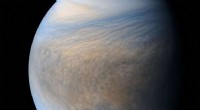
* Planets with fewer craters: Earth, Venus, and Mars have fewer craters because they have atmospheres that protect them from smaller impacts, and they have some geological activity. However, even these planets have craters, although they are often less visible due to erosion or other processes.
So, in summary:
* Craters are common: It's more likely for planets to have craters than not.
* It depends on the planet: The number and visibility of craters depend on the planet's size, atmosphere, and geological activity.