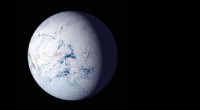
Earth:
* Rotation: Earth rotates on its axis, taking approximately 24 hours to complete one rotation. This rotation causes the Sun to appear to rise in the east and set in the west, creating day and night.
* Day/Night Cycle: The day/night cycle on Earth is a regular 24-hour cycle, with roughly equal periods of light and darkness.
* Seasons: Earth's tilt on its axis, combined with its orbit around the Sun, results in seasons, where the length of days and nights varies throughout the year.
Moon:
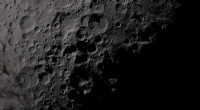
* No Atmosphere: The Moon has no atmosphere to scatter sunlight, so there are no sunsets or sunrises like on Earth.
* Longer Day/Night Cycle: The Moon rotates on its axis very slowly, taking about 27.3 days to complete one rotation. This means a lunar day (from sunrise to sunrise) lasts about 27.3 Earth days.
* Lunar Phases: The Moon doesn't have its own light. We see it illuminated by reflected sunlight. As the Moon orbits Earth, the amount of its sunlit surface visible from Earth changes, resulting in the lunar phases (new moon, crescent, full moon, etc.). These phases can be considered a kind of "day" cycle on the Moon, though not in the same way as on Earth.
* Extreme Temperatures: Without an atmosphere, the Moon experiences extreme temperature fluctuations. The side facing the Sun can reach temperatures above 120°C (248°F), while the side facing away can drop to -173°C (-279°F).
In summary, while both Earth and the Moon experience day and night, the processes and the experiences are very different due to their unique characteristics.