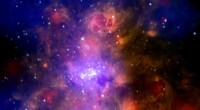
* Stars produce their own light and heat through nuclear fusion, a process where they combine lighter elements into heavier ones. This process releases enormous amounts of energy.
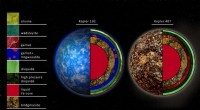
* Planets do not produce their own light and heat. They reflect light from a nearby star.
Here's a table summarizing some key differences:
| Feature | Star | Planet |
|---------------|------------------------------------------------|------------------------------------------|
| Energy source | Nuclear fusion | Reflects light from a nearby star |
| Light | Emits light | Reflects light |
| Heat | Produces heat | Absorbs heat from a nearby star |
| Composition | Mostly hydrogen and helium | Varied composition, depending on formation |
| Gravity | Strong enough to hold itself together | Weaker gravity |
| Size | Much larger than planets | Smaller than stars |
| Formation | Formed from collapsing gas and dust clouds | Formed from the leftover material of a star|
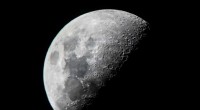
While planets orbit stars, it's important to remember that there are also other celestial bodies that orbit stars, like asteroids, comets, and moons. These objects are not planets. They are much smaller than planets and do not have the same characteristics.