* Dwarf planets: These are smaller than planets and haven't cleared their orbital neighborhood of other objects. Examples include Pluto, Eris, and Ceres.
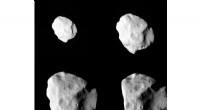
* Asteroids: These are rocky bodies that orbit the sun, mostly found in the asteroid belt between Mars and Jupiter.
* Comets: These are icy bodies that orbit the sun in highly elliptical paths. They become visible when they approach the sun and heat up, releasing gas and dust.
* Meteoroids: These are small rocky or metallic bodies that orbit the sun. When they enter Earth's atmosphere, they burn up and become meteors or shooting stars.
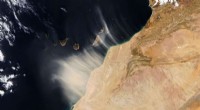
* Dust and gas: The solar system is filled with dust and gas particles, some of which orbit the sun.
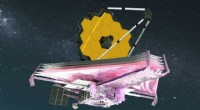
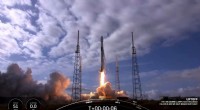
* Artificial satellites: These are human-made objects that orbit the sun, including spacecraft, telescopes, and communication satellites.
It's important to remember that the solar system is a dynamic place, and these objects are constantly interacting with each other and the sun.