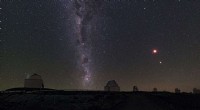
* The amount of starlight varies. It depends on the time of year, the time of night, the location on Earth, and the current activity of the Sun (which can affect the amount of light from distant stars we can see).
* We receive a lot of other light. Sunlight dominates the amount of light reaching Earth, making starlight a relatively small portion.
However, we can make some general estimations:
* The total energy received from starlight is very small compared to sunlight. It's estimated to be about one billionth of the energy we receive from the Sun.
* The brightest star in the night sky, Sirius, contributes only about one ten-trillionth of the light we receive from the Sun. This gives you an idea of how faint starlight is compared to sunlight.
While starlight seems faint to our eyes, it's crucial for astronomers to study the universe and understand its composition and evolution. Special telescopes and detectors are used to collect and analyze this faint light.