1. Mercury
* Type: Terrestrial (rocky)
* Size: Smallest planet (slightly larger than Earth's Moon)
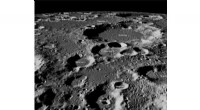
* Surface: Cratered, heavily scarred by impacts, with vast plains and cliffs.
* Atmosphere: Very thin, almost nonexistent.
* Temperature: Extremely hot during the day, extremely cold at night (no atmosphere to regulate temperature).
* Moons: None
2. Venus
* Type: Terrestrial (rocky)
* Size: Similar in size to Earth
* Surface: Volcanic, with vast plains and mountains, thick atmosphere creates extremely high pressure.
* Atmosphere: Extremely dense and toxic (mostly carbon dioxide), trapping heat and causing a runaway greenhouse effect.
* Temperature: Hottest planet in the solar system, due to the greenhouse effect.
* Moons: None
3. Earth
* Type: Terrestrial (rocky)
* Size: Largest of the terrestrial planets
* Surface: Diverse, with continents, oceans, mountains, and valleys.
* Atmosphere: Primarily nitrogen and oxygen, supporting life.
* Temperature: Varies significantly depending on latitude and season.
* Moons: One (the Moon)
4. Mars
* Type: Terrestrial (rocky)
* Size: Smaller than Earth, but larger than Mercury
* Surface: Reddish-brown due to iron oxide (rust), with volcanoes, canyons, and polar ice caps.
* Atmosphere: Thin and mostly carbon dioxide, but with evidence of past water.
* Temperature: Cold, with significant variations between day and night.
* Moons: Two small moons, Phobos and Deimos
5. Jupiter
* Type: Gas Giant
* Size: Largest planet in the solar system, over 1,000 times Earth's volume.
* Surface: No solid surface, composed primarily of hydrogen and helium.
* Atmosphere: Thick, swirling clouds with prominent storms (e.g., the Great Red Spot).
* Temperature: Cold, but internal heat generates its own heat.
* Moons: Over 70 moons, including the four largest Galilean moons (Io, Europa, Ganymede, and Callisto).
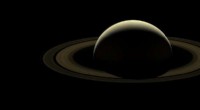
6. Saturn
* Type: Gas Giant
* Size: Second largest planet in the solar system.
* Surface: No solid surface, mostly hydrogen and helium.
* Atmosphere: Thick, swirling clouds with striking bands.
* Temperature: Cold, but internal heat generates its own heat.
* Moons: Over 80 moons, most notably the icy moon Titan.
* Rings: A system of prominent rings made of ice and dust particles.
7. Uranus
* Type: Ice Giant
* Size: Third largest planet in the solar system.
* Surface: No solid surface, composed primarily of water, methane, and ammonia ice.
* Atmosphere: Cold and relatively calm, with faint rings.
* Temperature: Extremely cold.
* Moons: Over 20 moons.
* Rings: Faint rings, difficult to see.
8. Neptune
* Type: Ice Giant
* Size: Fourth largest planet in the solar system.
* Surface: No solid surface, composed primarily of water, methane, and ammonia ice.
* Atmosphere: Cold, windy, with rapid storms.
* Temperature: Extremely cold.
* Moons: Over 14 moons, including Triton.
* Rings: Faint rings, difficult to see.