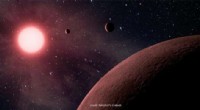
* They are giant balls of hot gas: Both stars and our Sun are primarily composed of hydrogen and helium, which undergo nuclear fusion in their cores, releasing immense amounts of energy. This energy is what makes them shine.
* They emit light and heat: Just like the Sun, stars radiate light and heat across the electromagnetic spectrum. The specific type of light and heat they emit depends on their size, temperature, and age.
* They are self-luminous: Both stars and our Sun are not just reflecting light from another source; they produce their own light through nuclear fusion.
The main difference between stars and our Sun is distance. Our Sun is the closest star to Earth, making it appear much larger and brighter than other stars. However, all stars are essentially the same type of celestial object: massive, hot, and luminous balls of gas undergoing nuclear fusion.