Similarities with Venus:
* Similar size and density: Mercury and Venus are the two smallest planets in our solar system and have relatively similar densities.
* Lack of moons: Both planets lack natural satellites.
Similarities with Mars:
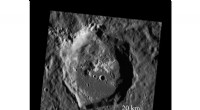
* Surface composition: Mercury and Mars both have surfaces dominated by heavily cratered terrain, indicating a lack of significant geological activity for a long time.
* Thin atmosphere: Both planets have very thin atmospheres, called exospheres, which are barely there compared to Earth.
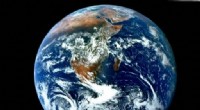
Similarities with Earth:
* Metallic core: Mercury and Earth both have large, metallic cores that generate magnetic fields.
However, Mercury also has some unique characteristics that set it apart:
* Extreme temperature swings: Mercury has the largest temperature variation of any planet, with daytime temperatures reaching over 400°C and nighttime temperatures dropping to -170°C.
* Highly cratered surface: Mercury has the most heavily cratered surface of any planet in our solar system, which is a testament to its ancient history.
* Unusual orbital properties: Mercury's orbit is highly eccentric, meaning it's not perfectly circular. It also has a 3:2 spin-orbit resonance, meaning it rotates three times for every two orbits around the Sun.
Overall, while Mercury shares some similarities with other planets, its unique combination of characteristics makes it a truly fascinating and distinct world.