1. Albedo: This refers to the reflectivity of a surface. Earth's albedo is around 30%, meaning it reflects about 30% of the incoming solar radiation back into space. This reflection occurs due to various factors:
* Clouds: Clouds are highly reflective, especially thick, white clouds. They act like mirrors, scattering sunlight back into space.
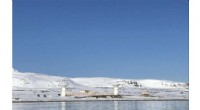
* Ice and snow: These surfaces have high albedo, reflecting a significant portion of incoming radiation.
* Land surfaces: Different land surfaces have varying albedo. For example, forests have a lower albedo compared to deserts.
* Water: Water reflects a significant portion of sunlight, especially at steeper angles.
2. Atmospheric Scattering: The Earth's atmosphere, primarily composed of gases like nitrogen, oxygen, and carbon dioxide, plays a crucial role in reflecting and scattering radiation.
* Rayleigh Scattering: This occurs when sunlight interacts with particles smaller than the wavelength of visible light, primarily gases in the atmosphere. This scattering is responsible for the blue color of the sky. It also scatters some radiation back into space.
* Mie Scattering: This scattering happens when sunlight interacts with particles larger than the wavelength of visible light, such as dust and aerosols. It scatters radiation across the spectrum, affecting the amount reflected back into space.
In summary:
* Earth's albedo, influenced by cloud cover, ice, snow, and land surfaces, reflects a significant portion of incoming radiation.
* The atmosphere scatters sunlight, with Rayleigh and Mie scattering contributing to the reflection of radiation back into space.
The balance between incoming solar radiation and reflected radiation determines the Earth's energy budget, influencing its temperature and climate.