Major Components:
* Hydrogen (H): This is the most abundant element in the universe, and it makes up the vast majority of a nebula's mass.
* Helium (He): The second most abundant element, helium also plays a significant role in nebulae.
Other Significant Elements:
* Oxygen (O): Oxygen is present in nebulae, often in the form of water (H2O) and carbon monoxide (CO).
* Carbon (C): Carbon is crucial for the formation of organic molecules and plays a key role in the chemistry of nebulae.
* Nitrogen (N): Nitrogen is found in nebulae and contributes to the formation of molecules like ammonia (NH3).
* Neon (Ne): Neon is a relatively abundant element in nebulae, often glowing brightly in certain types of nebulae.
* Other Trace Elements: Small amounts of other elements are also present, including iron (Fe), silicon (Si), magnesium (Mg), sulfur (S), and more.
Variations in Composition:
* Nebula Type: The exact composition of a nebula can vary depending on its type. For instance, emission nebulae, which are energized by nearby stars, often have higher concentrations of ionized elements like oxygen and nitrogen.
* Location: Nebulae in different regions of the galaxy can have slightly different compositions due to variations in the surrounding interstellar medium.
* Age: Over time, nebulae evolve and their composition can change as elements are cycled through stellar processes.
Dust:
In addition to gases, nebulae contain dust particles. This dust is made up of tiny grains of various materials, including silicates, carbon, and ices. Dust plays an important role in the formation of stars and planets.
Studying Nebulae:
Astronomers use various techniques to study the elemental composition of nebulae. These include:
* Spectroscopy: Analyzing the light emitted or absorbed by nebulae reveals the presence and abundance of different elements.
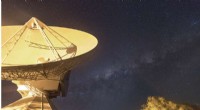
* Radio Astronomy: Radio telescopes can detect emission from molecules like carbon monoxide, providing insights into the chemical makeup of nebulae.
Summary:
Nebulae are primarily composed of hydrogen and helium, with smaller amounts of other elements, including oxygen, carbon, nitrogen, and neon. Their composition varies depending on factors like type, location, and age. The study of nebulae helps us understand the evolution of stars and galaxies and the origins of the elements that make up the universe.