* Stars: Stars are giant balls of hot gas that generate their own light through nuclear fusion. This light travels across vast distances to reach us.
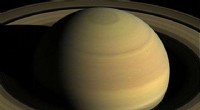
* Planets: Planets are relatively small, cold bodies that orbit stars. They don't produce their own light. Instead, they reflect the light from their host star.
Here's why planets appear to shine:
1. Sunlight: The Sun bathes our solar system in light. This light falls on planets.
2. Reflection: The surfaces of planets, depending on their composition, reflect some of this sunlight.
3. Our Perspective: From Earth, we see this reflected sunlight, making planets appear to have their own light.
The amount of light reflected depends on:
* Distance: Planets further away from the Sun receive less sunlight and therefore reflect less light.
* Surface: Planets with reflective surfaces like clouds or ice reflect more light than those with darker surfaces like rocks or dust.
Why do planets appear star-like?
From a distance, planets appear as small, bright points in the sky, similar to stars. This is because they are so far away that we can't distinguish their shapes or details. Their size and shape are lost in the vastness of space.
To summarize: Planets don't emit their own light, they shine by reflecting sunlight. Their apparent brightness and star-like appearance are due to our distance from them and the amount of sunlight they reflect.