1. Moons: These natural satellites orbit planets. Jupiter and Saturn have dozens of moons each! Some are icy and covered in craters, while others have active volcanoes or even atmospheres.
2. Dwarf Planets: These celestial bodies are similar to planets, but they haven't cleared their orbital paths of other objects. Pluto is the most famous, but others include Ceres, Eris, Makemake, and Haumea.
3. Asteroids: These rocky bodies are mostly found in the asteroid belt between Mars and Jupiter. They range in size from pebbles to hundreds of miles across. Some asteroids even have their own moons!
4. Comets: These icy bodies travel on highly elliptical orbits around the Sun. When they get close to the Sun, they heat up and release gas and dust, creating their characteristic tails.
5. Meteoroids: Smaller fragments of asteroids or comets, they are constantly falling into the Earth's atmosphere, creating shooting stars.
6. Dust and Gas: The solar system is filled with a thin atmosphere of dust and gas. This material reflects sunlight and can be seen as a faint glow called the Zodiacal Light.
7. Rings: Saturn is famous for its rings, but other gas giants like Jupiter, Uranus, and Neptune have ring systems too. These are composed of ice, rock, and dust particles.
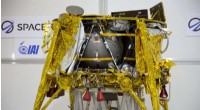
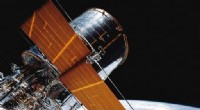
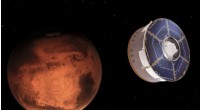
8. Spacecraft: Humans have sent many spacecraft to explore the solar system, from probes that fly past planets to rovers that explore their surfaces.
9. The Heliosphere: This vast bubble surrounds the solar system and is filled with solar wind, a stream of charged particles emitted by the Sun.
These are just some of the amazing things that make up our solar system. There's still much to learn about these objects, and new discoveries are constantly being made!