Natural Phenomena:
* Planets: Venus is often the brightest object in the sky after the sun and moon, and can appear very bright in the western sky during the evening. Other planets like Jupiter and Mars can also be quite bright.
* Stars: Certain stars, especially Sirius, can be quite bright in the evening sky, especially if they are low on the horizon.
* Meteors: A bright streak of light across the sky, often referred to as a "shooting star," is a meteor. They are quite common and can appear in any part of the sky.
* The Moon: The moon can be very bright in the evening sky, especially when it's full or close to full.
Human-Made Sources:
* Aircraft: Aircraft lights can appear very bright, especially when they are high in the sky and flying directly towards you.
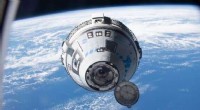
* Satellites: Satellites reflect sunlight and can be bright enough to be seen with the naked eye. They move across the sky in a predictable path.
* Searchlights: Searchlights are used for a variety of purposes, such as security, entertainment, or emergency response. They can be very bright and are often aimed at the sky.
* Streetlights and other artificial lights: Depending on the location and the intensity of the lights, they may be reflected in the sky and create a diffuse glow.
To narrow down the possibilities, consider these factors:
* Time of day and year: Planets and stars have predictable locations in the sky depending on the time of year.
* Shape and movement: Planets and stars twinkle, while aircraft lights flash and satellites move in a straight line.
* Duration: Meteors are fleeting, while planets and stars can be seen for longer periods.
* Location: Aircraft are more likely to be seen near airports, while satellites are more likely to be seen in the middle of the night.
If you are unsure about the source of the bright lights, you can try to find out more information online or by contacting a local astronomy club.