1. Birthplaces of Stars:
* Stellar Nurseries: Nebulae are the birthplace of stars. They are vast clouds of gas and dust, primarily hydrogen and helium, with small amounts of heavier elements. Gravity slowly pulls these materials together, eventually leading to the formation of dense cores that ignite and become stars.
* Diverse Star Formation: Nebulae can form stars of different sizes and types, influenced by their density, composition, and surrounding environment. This diversity leads to the formation of diverse stellar systems, planetary systems, and galaxies.
2. Essential for Galactic Evolution:
* Fueling Star Formation: Nebulae provide the raw material for ongoing star formation within galaxies. The cycle of star birth, life, and death, with supernovae returning processed material back into the interstellar medium, fuels the continuous evolution of galaxies.
* Regulating Galaxy Dynamics: The presence and distribution of nebulae influence the dynamics of galaxies. Their gravitational pull and the feedback from star formation can shape galaxy structure and evolution.
3. A Window into the Past:
* Early Universe Conditions: Studying nebulae helps us understand the conditions in the early universe. The composition and structure of nebulae reflect the primordial materials from which galaxies and stars formed.
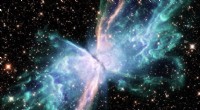
* Stellar Evolution Clues: Observing nebulae reveals the different stages of stellar evolution. For example, planetary nebulae, formed when a dying star sheds its outer layers, provide insights into the final stages of stellar life.
4. Unlocking the Mysteries of the Universe:
* Cosmology Research: Studying the distribution and composition of nebulae contributes to our understanding of cosmology. By analyzing the chemical makeup and age of nebulae, we can learn about the history of the universe and the formation of galaxies.
* Understanding the Universe's Chemistry: Nebulae offer a unique laboratory for studying the chemical composition of the universe. They contain diverse molecules, some of which are the building blocks of life.
5. Awe-Inspiring Beauty:
* Stunning Celestial Objects: Nebulae are truly breathtaking objects in the night sky. Their vibrant colors, intricate shapes, and vastness inspire wonder and curiosity, reminding us of the beauty and scale of the universe.
In summary, nebulae are not just beautiful celestial objects but vital components of the universe. They are the cradles of stars, the fuel for galactic evolution, and windows into the universe's past. By studying them, we gain a deeper understanding of the processes that shape the universe and our place within it.