* Individual Variation: Our eyesight differs. Some people have naturally better night vision than others.
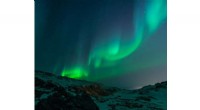
* Light Pollution: City lights obscure many fainter stars, while dark sky locations reveal far more.
* Atmospheric Conditions: Clear, dry air allows for the best stargazing. Humidity and haze can dim stars.
General Estimates:
* Under ideal conditions (very dark skies, excellent eyesight), people can see stars as faint as magnitude 6.5. This means they are roughly 100 times fainter than the faintest stars visible in a moderately light-polluted city.
* In urban areas with moderate light pollution, only stars brighter than magnitude 3 or 4 are typically visible.
Important Note: These are just estimates. It's always best to experiment and see what you can see from your location!
Here are some helpful tips for finding fainter stars:
* Get away from city lights. Even a short drive can make a big difference.
* Give your eyes time to adjust. It takes about 30 minutes for your eyes to fully adapt to darkness.
* Look directly overhead. This is where the sky is darkest.
* Use averted vision. Instead of looking directly at a faint star, look slightly to the side. This can help your peripheral vision pick up the faint light.
Let me know if you'd like to explore specific constellations or star-gazing resources!