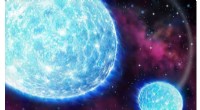
1. The star is evolving:
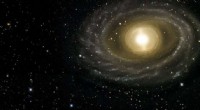
* Main Sequence: A star spends the majority of its life on the main sequence, fusing hydrogen into helium in its core. During this phase, its brightness can gradually increase as it gets hotter and larger.
* Red Giant: As a star runs out of hydrogen fuel in its core, it begins fusing helium. This causes the star to expand significantly, becoming a red giant. While its surface temperature cools, the overall increase in size leads to a significant increase in brightness.
* Supergiant: Larger stars can become supergiants, even larger and brighter than red giants. This phase is short-lived but marks the end of a star's life.
2. The star is undergoing a temporary event:
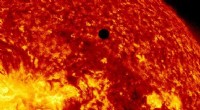
* Flare: Some stars, particularly smaller, cooler stars like red dwarfs, experience sudden bursts of energy called flares. These flares can significantly increase the star's brightness for a short period.
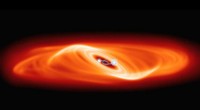
* Nova: If a white dwarf in a binary system accretes enough matter from its companion star, it can undergo a thermonuclear explosion, becoming a nova. This event results in a dramatic increase in brightness, but it's temporary.
* Supernova: The explosive death of a massive star is called a supernova. This event produces an incredibly intense burst of light, making the star billions of times brighter than its original state.
Therefore, the fate of a star becoming brighter depends on the specific stage of its life and the event causing the increased brightness.
Here's a summary:
* Gradually increasing brightness: Main sequence, red giant, supergiant
* Sudden and temporary increase in brightness: Flares, Nova
* Extremely bright and explosive: Supernova
It's important to understand the context of a star's brightness increase to accurately predict its future.