Here's a breakdown of what's used to launch satellites:
* Rockets: These are the primary launch vehicles. They use powerful engines that burn fuel to generate thrust, pushing the satellite upwards and out of Earth's atmosphere.
* Launch Pads: These are sturdy structures on the ground that support the rocket during launch. They often have complex systems for fueling, monitoring, and controlling the launch.
* Ground Control: Teams of engineers monitor the launch from the ground, ensuring everything is going as planned. They control the rocket's trajectory and can make adjustments if needed.
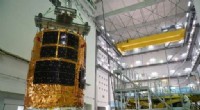
* Satellites: These are the actual spacecraft that will be deployed into orbit. They are carefully designed and built to withstand the rigors of launch and to perform their specific tasks in space.
Some of the most common types of rockets used for satellite launches include:
* Atlas V: Developed by the United Launch Alliance (ULA), a joint venture between Boeing and Lockheed Martin.
* Falcon 9: Developed by SpaceX, known for its reusable first stage.
* Soyuz: Developed by Russia's Roscosmos, a workhorse rocket for launching astronauts and satellites.
* Ariane 5: Developed by the European Space Agency (ESA), known for its high reliability.
Scientists play a crucial role in the design, construction, and deployment of satellites, but the actual launch is handled by engineers and space agencies.