Scientific Discoveries:
* Surface Morphology and Geology: Probes allow us to map the surface of celestial bodies, revealing their geological features like mountains, craters, volcanoes, and tectonic plates. This helps us understand the body's formation, evolution, and history.
* Atmospheric Composition: Analyzing the light reflected by the atmosphere can reveal its composition, temperature, and pressure. This is crucial for understanding the climate and habitability of a planet or moon.
* Presence of Water and Ice: Probes can detect the presence of water and ice, which are essential ingredients for life. This information is crucial for identifying potentially habitable environments.
* Magnetic Fields: Measuring magnetic fields can provide insights into the planet's internal structure and activity, like the presence of a core or the occurrence of aurorae.
* Surface Chemistry: Studying the composition of the surface can reveal the presence of minerals, organic molecules, and other elements, potentially hinting at past or present biological activity.
Technological Advancements:
* Engineering Innovations: Designing and building space probes pushes the boundaries of engineering, leading to advancements in propulsion, communication, power generation, and other technologies.
* Remote Sensing Techniques: Developing techniques for gathering data from afar, like spectroscopy and imaging, benefits various fields, including Earth observation, resource management, and disaster monitoring.
Public Engagement and Inspiration:
* Visual Exploration: Stunning images captured by probes inspire the public, fostering interest in space exploration and science.
* Understanding our Place in the Universe: Seeing images of other planets and moons broadens our perspective and helps us understand our place in the vast universe.
Beyond Photography:
While photography is a primary goal, space probes also carry other instruments:
* Spectrometers: Analyze the composition of the surface and atmosphere.
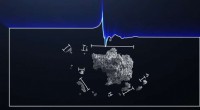
* Seismometers: Detect seismic activity and study the internal structure.
* Magnetometers: Measure magnetic fields.
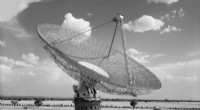
* Radars: Map the surface beneath clouds or ice.
* Landers and Rovers: Explore the surface directly, collecting samples and performing experiments.
In conclusion, sending a space probe to take photos of a planet or moon offers a wealth of benefits, driving scientific understanding, technological advancements, and public engagement. The information gleaned from these missions expands our knowledge of the cosmos and inspires us to explore further.