* Distance: Mars is very far away, even when it's closest to Earth. This means the images we get are always going to be somewhat blurry and lacking in detail.
* Atmosphere: The Martian atmosphere is thin, but it still scatters light and creates some blurring.
* Telescopes: Even the most powerful Earth-based telescopes have limitations in resolving small details on Mars.
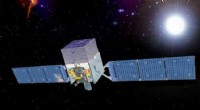
* Orbiting Spacecraft: Our most detailed images of Mars come from spacecraft like Mars Reconnaissance Orbiter (MRO) which are in orbit around the planet.
So, how do we get those amazing images?
* High-resolution cameras: Spacecraft like MRO carry cameras specifically designed to capture high-resolution images from orbit.
* Close-up views: These spacecraft can fly very close to the Martian surface, allowing for incredibly detailed images.
* Image processing: Scientists use advanced image processing techniques to enhance the images and reveal details that might be hidden by atmospheric effects.
In summary: We can see the surface of Mars in great detail thanks to spacecraft orbiting the planet and the advancements in imaging technology. However, we don't have a "clear" view like we might have looking at an object close by.