Optical Components:
* Lens:
* Refracting Telescopes: Typically made from optical glass, specifically crown glass or flint glass, carefully chosen for their refractive index and low dispersion.
* Achromatic lenses: Combine two lenses of different glass types to correct for chromatic aberration (rainbow-like fringing).
* Mirrors:
* Reflecting Telescopes: Mirrors are usually made from highly reflective materials like:
* Aluminum: Highly reflective, affordable, and relatively easy to work with.
* Silver: More reflective than aluminum but tarnishes more easily.
* Gold: Highly reflective in the infrared spectrum, used for infrared telescopes.
* Mirror Support: Mirrors are usually supported by a sturdy structure, often made of metal (steel, aluminum) or a lightweight composite material like carbon fiber.
* Secondary Mirror: Used in reflecting telescopes to direct the light to the eyepiece. Made from the same materials as the primary mirror.
* Eyepiece: A lens system that magnifies the image. Made from optical glass, often with multiple lenses to correct aberrations.
Mechanical Components:
* Mount: Supports the telescope and allows for accurate pointing and tracking of celestial objects.
* Materials: Metal (steel, aluminum, brass), sometimes with bearings and gears.
* Tube: Encloses the optical components, usually made of:
* Metal: Aluminum, steel, sometimes with a decorative finish.
* Lightweight composite materials: Carbon fiber, fiberglass, for portability.
* Focusers: Adjust the distance between the lens/mirror and the eyepiece to bring objects into focus.
* Materials: Metal, plastic, sometimes with gears or a rack-and-pinion mechanism.
Other Components:
* Finder Scope: A smaller telescope attached to the main telescope to help with aiming. Usually made of metal and glass.
* Tripod: Provides a stable base for the telescope.
* Materials: Metal (aluminum, steel), sometimes with a wood or composite material top.
* Accessories:
* Filters: Made of glass or plastic, used to enhance specific celestial objects.
* Barlow Lens: Increases magnification. Made from glass.
* Camera Adapters: Attach cameras to the telescope for astrophotography. Made from metal or plastic.
Modern Telescopes:
Modern telescopes, particularly those used in research, often incorporate advanced materials and technologies:
* Active Optics: Sensors and actuators continuously adjust the shape of the mirror to correct for atmospheric distortion.
* Adaptive Optics: Use deformable mirrors to compensate for atmospheric turbulence in real-time.
* Lightweight Mirrors: Made from materials like honeycomb structures, which are strong but light, allowing for larger mirrors with less structural support.
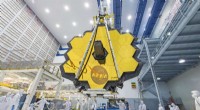
* Space Telescopes: Use materials that can withstand the harsh conditions of space, including temperature extremes and radiation.
Key Considerations for Material Selection:
* Light Weight: For portable telescopes and space telescopes, materials with a high strength-to-weight ratio are essential.
* Durability: Telescopes need to be robust enough to withstand handling and environmental factors.
* Thermal Stability: Optical components need to maintain their shape and size despite temperature changes.
* Optical Properties: Materials used for lenses and mirrors must have specific refractive indices, reflectivity, and low dispersion.
* Cost: Material cost is a major factor in telescope manufacturing, especially for large telescopes.