Familiar Favorites:
* Planets: You can see the rings of Saturn, the swirling clouds of Jupiter, the phases of Venus, and the red-hued surface of Mars. You can even spot their moons!
* The Moon: Telescopes reveal craters, mountains, and plains on the lunar surface, making it feel like you're right there.
* Star Clusters: Thousands of stars can be seen grouped together in clusters, revealing the incredible diversity of our galaxy.
Beyond the Basics:
* Galaxies: Some telescopes reveal the spiral arms of our own Milky Way, and even allow you to peek into neighboring galaxies millions of light-years away!
* Nebulae: These are vast clouds of gas and dust where stars are born and die, and they come in a variety of stunning colors and shapes.
* Double Stars: Some stars appear as single points of light to the naked eye, but a telescope shows them to be two stars orbiting each other.
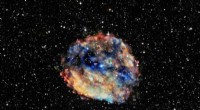
* Supernova Remnants: These are the remains of exploding stars, showcasing the incredible power and beauty of these events.
More than just visual delights:
* Star Colors: Telescopes allow you to see the subtle colors of stars, revealing information about their temperature and age.
* Astrophotography: Telescopes allow you to capture breathtaking images of celestial objects that you can share with others.
Important to remember:
* Location matters: Light pollution from cities can hinder your view, so observing from a dark sky location is ideal.
* Telescopes vary: The size and type of telescope significantly affect what you can see.
* Patience is key: It takes time to learn how to use a telescope effectively and to find the best objects to observe.
No matter what you see through your telescope, it's a reminder of the vastness and wonder of the universe. Keep exploring!