1. Energy and Heat:
* Sunlight is the primary source of energy for Earth. Plants use sunlight for photosynthesis, converting it into chemical energy that fuels the entire food web.
* The Sun's heat warms our planet. Without the Sun, Earth would be a frozen wasteland, with an average temperature of about -18°C (-0.4°F).
2. Weather and Climate:
* The Sun drives Earth's weather systems. Uneven heating of the Earth's surface by the Sun creates differences in air pressure, leading to winds, storms, and precipitation.
* The Sun's energy influences Earth's climate patterns. Variations in solar radiation over long periods can affect global temperatures and climate cycles.
3. Life Processes:
* Sunlight is crucial for photosynthesis. Plants use sunlight to produce oxygen, which is essential for all living things.
* Vitamin D production: Our bodies need sunlight to produce vitamin D, which is important for bone health and immune function.
4. Ocean Currents:
* Solar radiation influences the circulation of ocean currents. These currents transport heat and nutrients around the globe, playing a significant role in regulating Earth's climate.
5. Earth's Magnetic Field:
* The Sun's energy helps create Earth's magnetic field. This field protects us from harmful solar radiation and helps create the aurora borealis and australis.
6. Tidal Forces:
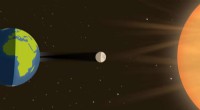
* The Sun's gravity plays a role in Earth's tides. While the Moon has a stronger influence, the Sun's gravitational pull contributes to the tidal cycle.
In short, the Sun is the lifeblood of our planet, providing energy, heat, and the conditions necessary for life to thrive.