Mars is a terrestrial planet, meaning it has a solid, rocky surface like Earth. Here's a breakdown of its physical characteristics:
Size and Distance:
* Diameter: 6,779 km (4,212 mi) – about half the diameter of Earth
* Distance from the Sun: 227.9 million km (141.6 million mi) on average
* Orbital Period: 687 Earth days
Composition:
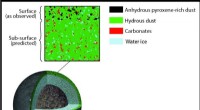
* Surface: Mainly composed of iron oxides (giving it the reddish color), along with various minerals like silicates and carbonates.
* Atmosphere: Thin and composed mostly of carbon dioxide, with small amounts of nitrogen and argon. It's about 100 times thinner than Earth's.
Temperature:
* Average temperature: -63°C (-81°F)
* Range: Can vary from -140°C (-220°F) at night to 30°C (86°F) during the day.
Geography:
* Surface Features: Mars is characterized by towering volcanoes (Olympus Mons, the largest volcano in the solar system), vast canyons (Valles Marineris, the largest canyon in the solar system), and polar ice caps made of water and frozen carbon dioxide.
* Two Moons: Phobos and Deimos, both small and irregularly shaped.
Other Features:
* No Global Magnetic Field: Mars has a very weak magnetic field, unlike Earth.
* Evidence of Past Water: Signs of past liquid water are abundant, including dried-up riverbeds, lakebeds, and mineral deposits.
* Possible Past Life: While no definitive evidence of past life has been found, there are tantalizing hints that conditions may have been suitable for life billions of years ago.
Overall:
Mars is a fascinating planet with diverse features. Its rusty-red color, vast canyons, and evidence of past water make it a compelling target for scientific exploration, and it's often seen as a potential destination for human colonization in the future.