1. Earth's Motion:
* Precession: Earth's axis of rotation slowly wobbles like a spinning top, completing a full cycle in about 26,000 years. This wobble causes the apparent position of stars to shift over time, impacting the shapes and orientations of constellations. In about 13,000 years, for example, Polaris will no longer be the North Star.
* Proper Motion: Stars also have their own individual motions within the galaxy. While these movements are incredibly slow on human timescales, over thousands or millions of years, they can change the apparent positions of stars and alter the shapes of constellations.
2. Stellar Evolution:
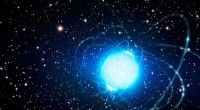
* Star Birth and Death: Stars are born, age, and eventually die. New stars can emerge within a constellation, changing its appearance. Conversely, stars can explode as supernovae, altering the constellation's shape.
* Luminosity Changes: Stars change their brightness over time. A star that's currently a faint member of a constellation might become a very bright star, changing how the constellation appears.
3. Human Perception:
* Cultural Influences: Constellations are cultural constructs. Different civilizations have recognized and named different patterns in the stars, and even within the same culture, constellations can change over time.
* Technological Advancement: We now use telescopes and other instruments to observe stars beyond the naked eye. This has led to the discovery of new stars and galaxies, potentially redefining constellations in the future.
In Summary:
Constellations are dynamic, ever-changing celestial patterns that are influenced by Earth's motion, the evolution of stars, and even human perception. Over long periods of time, constellations will continue to shift and transform, leading to a constantly evolving view of the night sky.