1. Unveiling the Universe:
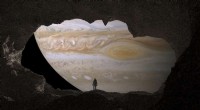
* Telescope: Galileo Galilei's use of the telescope revolutionized astronomy. It allowed him to observe the phases of Venus, the moons of Jupiter, sunspots, and the Milky Way's composition, challenging the long-held geocentric model of the universe. These observations provided strong evidence for the heliocentric model, a key turning point in our understanding of the cosmos.
* Impact: The telescope challenged established dogma and ignited debate, paving the way for the acceptance of a heliocentric solar system. It also stimulated further advancements in optics and astronomy, setting the stage for future discoveries.
2. Exploring the Microscopic World:
* Microscope: The invention of the microscope by Antonie van Leeuwenhoek opened up a previously unseen world of microscopic life. He observed bacteria, blood cells, and even sperm, revealing the intricate complexity of living organisms.
* Impact: The microscope challenged the prevailing belief that life arose spontaneously and provided evidence for the existence of microorganisms. It also sparked investigations into the anatomy and physiology of plants and animals, leading to advancements in medicine and biology.
3. Shifting the Paradigm of Knowledge:
* Empirical Evidence: Both instruments emphasized the importance of observation and experimentation in scientific inquiry. They provided concrete, empirical evidence that could be used to test existing theories and formulate new ones. This shift from speculation to evidence-based inquiry was fundamental to the Scientific Revolution.
* New Perspectives: The telescope and microscope allowed scientists to see the world from new perspectives, both incredibly large and incredibly small. This broadened their understanding of the universe and life itself, leading to a more holistic view of nature.
4. Technological Advancements:
* Technological Innovation: The development of the telescope and microscope spurred further innovation in optics and instrument design. This led to the creation of more powerful and versatile instruments, further aiding scientific discovery.
* Spreading Knowledge: The ability to observe and document these discoveries led to the creation of detailed illustrations and scientific journals, which spread knowledge and facilitated collaboration among scientists.
Conclusion:
The telescope and microscope, through their ability to reveal previously unseen worlds, were instrumental in driving the Scientific Revolution. They not only provided crucial evidence for new theories but also fostered a new way of thinking about the universe and life itself. By emphasizing empirical evidence and promoting scientific inquiry, these instruments forever changed the course of science and our understanding of the world around us.