Here's why:
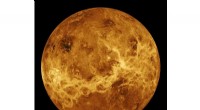
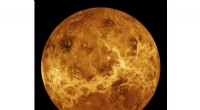
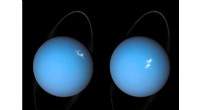
* Planet: A celestial body that orbits a star, is massive enough for its own gravity to overcome rigid body forces so that it assumes a hydrostatic equilibrium (nearly round) shape, and has cleared the neighborhood around its orbit.
* Other possibilities: While planets are the most common large objects orbiting stars, there are others like:
* Dwarf Planets: These are smaller than planets, but still orbit a star. They haven't cleared their orbital neighborhood.
* Moons: These orbit planets, not stars.
* Asteroids: These are smaller, rocky objects that orbit stars.
* Comets: These are icy objects that orbit stars in highly elliptical paths.
Let me know if you have any other questions!