* The Moon doesn't emit its own light: The Moon is a large rock reflecting sunlight. It doesn't generate its own light like the Sun.
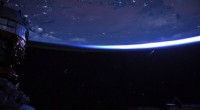
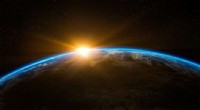
* Earth's Atmosphere Enhances Brightness: The Earth's atmosphere scatters sunlight, making the sky appear blue during the day. This same scattering effect also makes the Moon appear brighter than it would in space. The atmosphere acts like a lens, concentrating the reflected sunlight towards our eyes.
* Dark Background: From Earth, we see the Moon against a dark background (the sky). This contrast further enhances the Moon's perceived brightness.
* Space Perspective: In space, there is no atmosphere to scatter sunlight. The Moon is bathed in direct sunlight, but it's also against the backdrop of the bright stars and the vast emptiness of space. This makes it appear relatively faint compared to its brilliance in Earth's sky.
* Lack of Contrast: The Moon in space lacks the contrasting dark background, making it appear less bright.
Essentially, the Moon's apparent brightness is a combination of how much light it reflects, how that light is scattered by the Earth's atmosphere, and the contrast against the background. In space, the lack of an atmosphere and the bright background make the Moon seem fainter.