Inner Planets:
* Mercury: Named after the Roman messenger god, Mercury, known for his speed, which reflects the planet's swift orbit around the Sun.
* Venus: Named after the Roman goddess of love and beauty, Venus, likely due to its bright appearance in the sky.
* Earth: The only planet not named after a deity, its name originates from Old English and Germanic words for "ground" or "soil."
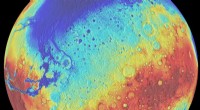
* Mars: Named after the Roman god of war, Mars, due to its reddish color, often associated with blood and fire.
Outer Planets:
* Jupiter: Named after the king of the Roman gods, Jupiter, reflecting its size and dominance as the largest planet in our solar system.
* Saturn: Named after the Roman god of agriculture and harvest, Saturn, likely due to its beautiful rings, reminiscent of a crown.
* Uranus: Named after the Greek god of the sky, Uranus, discovered in 1781 by William Herschel.
* Neptune: Named after the Roman god of the sea, Neptune, due to its bluish color, associated with the ocean.
Additional Points:
* Ancient origins: Many of these names have roots in Greek and Roman mythology, reflecting the ancient civilizations' fascination with the heavens.
* Discovery: Planets discovered after the invention of the telescope, like Uranus and Neptune, were named by their discoverers, often choosing names from mythology.
* Cultural variations: Different cultures have different names for planets, reflecting their own stories and interpretations of the celestial bodies.
Let me know if you'd like to explore the names of specific planets in more detail!