Here are some examples:
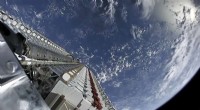
* Satellites: These are the most common man-made objects in orbit. They serve a variety of purposes, from communication to navigation to Earth observation.
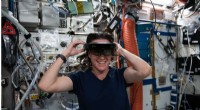
* Space stations: These are larger structures designed for human habitation and research. The International Space Station (ISS) is a prime example.
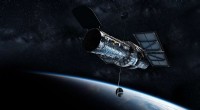
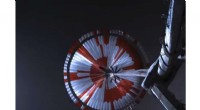
* Spacecraft: These are vehicles designed for space exploration, such as the Hubble Space Telescope or the Mars rovers.
* Rocket stages: Some parts of rockets, like the upper stages, might remain in orbit after the launch.
* Space debris: This includes fragments from past launches, defunct satellites, and other man-made objects that are no longer functioning.
But technically, even things like:
* High-altitude balloons: These are used for scientific research and weather monitoring.
* Aircraft: While they don't "orbit" in the traditional sense, some aircraft, like the SpaceShipOne, have reached suborbital space.
So, the answer is, there are many man-made objects that orbit the Earth, and the exact number changes constantly.