1. Solar Panels:
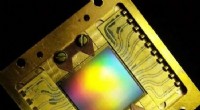
* Most common: Solar panels are the primary power source for most satellites.
* How they work: They convert sunlight into electricity using photovoltaic cells.
* Advantages: Abundant free energy source, reliable, and long-lasting.
* Disadvantages: Reliant on sunlight, performance degrades in Earth's shadow, and can be damaged by radiation.
2. Batteries:
* Supplement to solar: Batteries store energy generated by solar panels for use when the satellite is in Earth's shadow.
* Types: Lithium-ion, nickel-hydrogen, and nickel-cadmium batteries are common.
* Advantages: Provide power during periods of darkness or when solar panels are not functioning.
* Disadvantages: Limited capacity, have a finite lifespan, and can be affected by temperature extremes.
3. Radioisotope Thermoelectric Generators (RTGs):
* Nuclear power: RTGs use the heat from the decay of radioactive isotopes to generate electricity.
* Advantages: Reliable, long-lasting, and can operate in deep space where solar energy is limited.
* Disadvantages: Expensive, pose a potential radiation hazard, and are subject to stringent regulations.
4. Fuel Cells:
* Chemical reaction: Fuel cells convert the chemical energy of a fuel (like hydrogen) into electricity through a chemical reaction.
* Advantages: Efficient, clean, and can be refueled in space.
* Disadvantages: Complex, require fuel storage, and can be heavy.
5. Other Power Sources (less common):
* Laser power beaming: Power is beamed to the satellite using a laser.
* Microwaves: Similar to laser power beaming, but uses microwaves instead.
* Electrodynamic tethers: A long conductor is extended into the Earth's magnetic field to generate electricity.
The specific power source chosen for a satellite depends on factors like:
* Mission duration: Long missions in deep space require a reliable, long-lasting power source.
* Orbit: Satellites in low Earth orbit have more frequent exposure to sunlight, making solar panels more suitable.
* Power requirements: High-power missions require larger solar panels or more powerful energy sources.
* Budget: Some power sources are more expensive than others.
It's important to remember that satellites often use a combination of power sources to ensure a reliable and continuous supply of electricity.