* The Moon's Orbit: The Moon orbits the Earth in an elliptical path, taking approximately 27.3 days to complete one orbit. This is called the sidereal month.
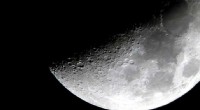
* Lunar Phases: The different phases of the Moon are caused by the changing angles at which the Sun illuminates the Moon's surface as it orbits the Earth. We see only the portion of the Moon's surface that is lit by the Sun.
* Synodic Month: The time it takes for the Moon to go through a complete cycle of phases (from New Moon to New Moon again) is slightly longer than the sidereal month. This is because the Earth is also orbiting the Sun. The Earth moves forward in its orbit while the Moon completes its orbit, so the Moon needs to travel a bit further to be in the same relative position to the Sun and Earth again. This longer period is called the synodic month, and it takes about 29.5 days.
In simpler terms: The Moon orbits the Earth, and as it does, the Sun illuminates different parts of it. This change in illumination creates the phases we observe. It takes approximately one month (the synodic month) for the Moon to orbit the Earth in such a way that the full cycle of phases is complete.