Practical Reasons:
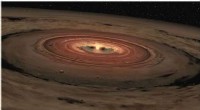
* Understanding our place in the universe: Studying celestial bodies like stars, planets, and galaxies helps us understand our place in the vastness of space and how our solar system formed.
* Resource discovery: Space exploration can lead to the discovery of new resources like water ice on the moon, which could be essential for future space exploration and even support human life in space.
* Technological advancements: Space research drives technological innovation, leading to advancements in communication, medicine, and other fields. For example, GPS technology originated from space research.
* Earth observation: Satellites in space provide vital data about our planet, including climate change, natural disasters, and environmental monitoring.
* Defending Earth: Studying near-Earth objects like asteroids helps us understand the potential threat they pose and develop strategies for deflection.
Philosophical Reasons:
* Curiosity and wonder: The vastness and mysteries of space are inherently captivating, inspiring scientists to explore and seek answers to fundamental questions about the universe.
* Search for life beyond Earth: The possibility of finding extraterrestrial life is a powerful motivator for space exploration and research.
* Inspiration and education: Space exploration fosters scientific literacy, inspires future generations of scientists and engineers, and promotes international cooperation.
In essence, space research is a pursuit of knowledge, understanding, and the betterment of humanity. It not only expands our understanding of the cosmos but also drives innovation and leads to advancements that benefit us all.