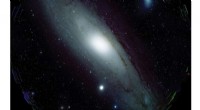
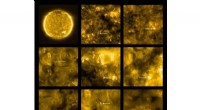
* Stars are giant balls of burning gas. They produce their own light and heat through nuclear fusion, which is a process where hydrogen atoms fuse together to form helium, releasing tremendous energy.
* Planets are rocky or gaseous bodies that orbit stars. They don't produce their own light, but instead reflect the light of their parent star.
So, while a planet might appear bright in the night sky, that brightness is simply reflected sunlight. Here's a simple analogy: imagine a mirror reflecting sunlight. It's much brighter than a candle flame, but the candle is actually the source of the light.
Here are some additional factors that contribute to the difference in brightness:
* Distance: Stars are incredibly far away, while planets in our solar system are much closer. Even though stars are much brighter, their distance makes them appear fainter.
* Size: Stars are much larger than planets, which also contributes to their overall brightness.
Therefore, while some planets might appear brighter than some stars, that's because we're seeing the reflected light from their star. In reality, stars are much more luminous than planets.